
Why More People Are Choosing a Community Before They “Need” It
The Short Answer: More older adults are choosing senior living & aging in place communities earlier because it offers freedom, connection, and long-term peace of mind—not because they need care today.
Aging in place has evolved beyond staying in the same house forever, and now often means choosing a community that can support changing needs over time.
Why Are More Older Adults Moving to a Senior Living Community Earlier?
More people are choosing senior living before they need care because they want to simplify life, stay socially active, and make decisions on their own terms. For many, searching for aging-in-place communities near me reflects a shift in thinking—from staying in a long-time home at all costs to finding a setting that better supports how they want to live now and in the future.
For decades, many older adults believed the best plan was to stay in their homes for as long as possible. While that approach still works for some, today's older adults are asking a different question: What kind of environment will help me thrive in the years ahead? The answer increasingly points toward community.
Rather than waiting for a health event or a home to become difficult to manage, many older adults are making proactive moves while they are healthy, active, and eager to embrace what's next. They want a lifestyle that prioritizes:
- Wellness and healthy aging
- Meaningful social connections
- Freedom from household responsibilities
- Convenient amenities and services
- Peace of mind for the future
This shift has transformed senior living from a reactive decision into an intentional lifestyle choice. Choosing an active senior living community isn't about giving up independence. It's about creating more opportunities to enjoy it.
What Does Aging in Place Really Mean Today?
Aging in place no longer means staying in the same house forever. For many older adults, it now means choosing a community that supports daily living, adapts to changing needs, and removes the stress that can come with maintaining a private home.
While the traditional image is staying in a longtime family residence, more people are realizing that comfort and stability can also come from a well-designed community setting.
As homes become harder to manage over time, the focus shifts from “staying put” to “staying well.” Today, aging in place is less about a specific address and more about choosing a lifestyle that supports freedom, connection, and long-term peace of mind.
What Are the Benefits of Moving Before You Need Additional Support?
Moving earlier gives older adults more time to enjoy community life, build friendships, and make decisions without pressure.
When a move happens after a health event or family emergency, options can feel limited. Moving proactively changes the experience completely.
Benefits of Moving Early
- More housing choices and preferred floor plans
- Time to build meaningful friendships
- An easier physical transition while healthy and active
- Access to wellness programs and fitness opportunities
- Freedom from home maintenance
- Less stress about future planning
- Greater peace of mind for family members
Many residents say they wish they had moved sooner. Instead of feeling like a compromise, community living often feels like an upgrade—a chance to focus less on responsibilities and expenses and more on enjoying everyday life.
This isn't about preparing for decline. It's about creating more possibilities while you have the freedom to enjoy them.
Why Is Social Connection Becoming a Bigger Priority?
Social connection plays a major role in healthy aging, and many older adults are choosing community living because it makes friendships and daily engagement easier.
This new chapter can be incredibly rewarding, but it can also bring unexpected changes.
Coworkers disappear from daily life. Children and grandchildren may live far away. Friends relocate or face health challenges of their own.
Maintaining an active social life suddenly requires more effort. Community living changes that dynamic.
Simple moments—chatting with neighbors, joining a fitness class, sharing a meal, attending a lecture—become part of everyday life rather than events that require planning.
Many communities offer:
- Group fitness and wellness programs
- Clubs centered around hobbies and interests
- Educational and cultural events
- Organized outings and excursions
- Shared dining experiences
- Spaces designed for gathering and conversation
The goal isn't simply to have neighbors nearby. It's to live somewhere that makes connection part of everyday life.

Can Moving to an Independent Living Community Increase Independence?
Yes. Many older adults find they have more freedom after moving because they spend less time maintaining a home and more time focusing on what they enjoy.
The idea may seem counterintuitive at first. How could moving to a community create more independence? It becomes clearer when everyday burdens shrink—freedom naturally expands when daily responsibilities are simplified.
Before Moving
- Coordinating home repairs
- Managing yard work and snow removal
- Cooking every meal
- Cleaning and household upkeep
- Worrying about home safety
- Handling transportation alone
After Moving
- Maintenance-free living
- Convenient dining options
- Wellness and fitness opportunities
- More time for hobbies and travel
- Opportunities to connect with others
- Greater flexibility in how each day is spent
For many people looking into independent living in Chicago, the appeal isn't just convenience.
It's having the freedom to say yes to more of the things they love.
What Should You Look for in an Aging in Place Community?
The best aging in place communities combine an engaging lifestyle with the flexibility to support residents as their needs change.
Not every community is the same, which makes it important to look beyond amenities alone.
Consider whether the community offers:
Look For:
- Maintenance-free residences
- Wellness and fitness opportunities
- Social, cultural, and educational programs
- Multiple dining options
- Comfortable and thoughtfully designed apartments
- A convenient location close to family, healthcare, and entertainment
- Services or support options that can adapt over time
Most importantly, take a moment to picture yourself enjoying life here today—not just someday. When that vision feels natural and comfortable, it often signals a place that aligns with your lifestyle, values, and how you want to live moving forward.
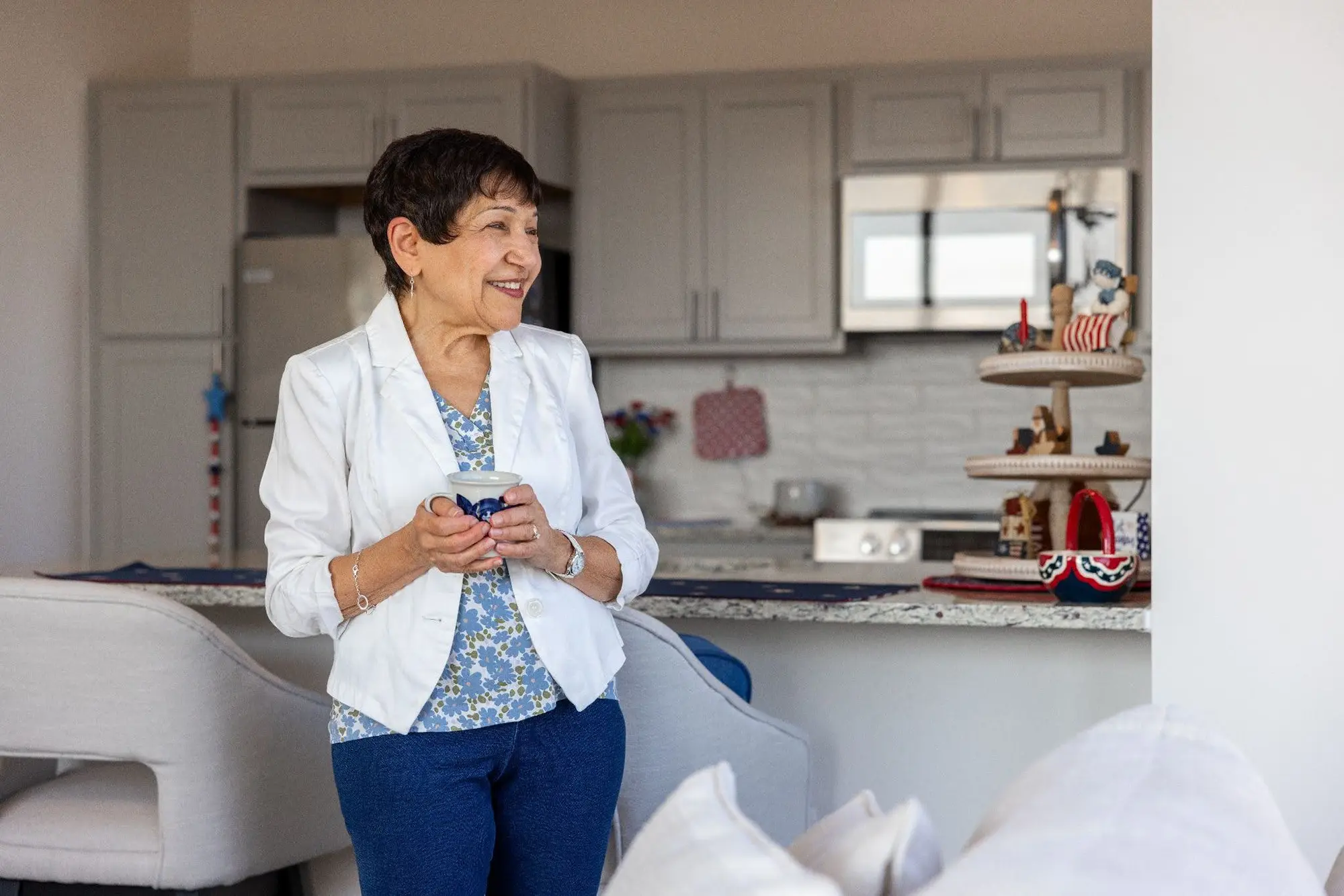
Why Are More People Choosing Clarendale Six Corners?
Clarendale Six Corners offers an engaging lifestyle designed for older adults who want to enjoy today while planning confidently for tomorrow.
Located in Chicago's historic Six Corners neighborhood, Clarendale Six Corners combines the convenience of city living with the comfort and connection of a welcoming community.
If you're looking for an active senior living community that combines freedom, connection, and long-term peace of mind, schedule a visit to Clarendale Six Corners.
See how choosing this community can help you enjoy more of what matters most tomorrow—through a lifestyle built on connection, comfort, and long-term peace of mind in the heart of Chicago.